The label is new, the work is older than the label
“AI web development studio” is a phrase people started searching for around the time frontier models got good enough to write code that a senior engineer would keep. It is a real category now. It is also a category where most of the sites showing up on the first page of results are pretending.
We are a design engineering studio that uses agents inside the production pipeline. That is the honest description. If you want to call that an AI web development studio, we will answer to it, because the mechanics we run under the hood match what the phrase is trying to describe. But the interesting part is not the label. The interesting part is what changes about scope, timeline, and quality when agents are actually part of how the work gets made.
What people mean when they search the phrase
There are roughly three intents behind “AI web development studio” as a query.
The first is somebody who wants a marketing site that uses AI in the product itself: a chatbot, a recommendation surface, a search that answers instead of returns ten blue links. They need a studio that can design the interaction and build the model plumbing behind it.
The second is somebody who has heard that agents can compress delivery timelines and wants to know if that is real or if it is a pitch deck. They are usually further along technically and want to know what the actual operating model looks like when it works.
The third is somebody shopping vendors who are already sold on AI as a category and want to check that the studio they are considering is not going to hand the work off to a Fiverr contractor and a ChatGPT window.
The three intents want different things from the same page. We try to answer all three by describing the operating model plainly and citing the work.
The operating model
We are two principals. Kit Mobley and Angelo Manzano. No agency layer, no account managers, no junior staff routing tickets between design and engineering. That is the whole premise of the studio, and it predates the AI part by almost two decades. Vice Alliance was first established in 2008 and relaunched in 2026.
The AI part sits inside that structure, it does not replace it. Kit built an internal harness called OpenClaw that coordinates a rotating pool of frontier agents (Claude, Gemini, Codex, Higgsfield, and a bench of specialized models) into a single studio workflow. Agents do the parts they are demonstrably better at than a human on a deadline: scaffolding, first-pass component work, migration drudgery, test coverage, content variants, image and video generation for campaign systems. Humans do the parts that require taste, judgment, and accountability: information architecture, interaction design, the actual product decisions, and every line of code that touches money or data at rest.
The reason to describe this in detail is that “AI web development studio” as a phrase gets used to mean two very different things. One version is a studio that treats agents as a tool the way we do. The other version is a studio that has offloaded thinking to the model and is charging for the output. Those two things produce very different results at week six.
We wrote about the mechanics of this in more depth in agentic web development in production. The short version is that agents compress timelines from quarters to weeks when the studio around them knows what to build. They do not compress timelines when the studio does not.
What actually gets built
The tell for whether a studio is real is what they can point to. Here is what we point to.
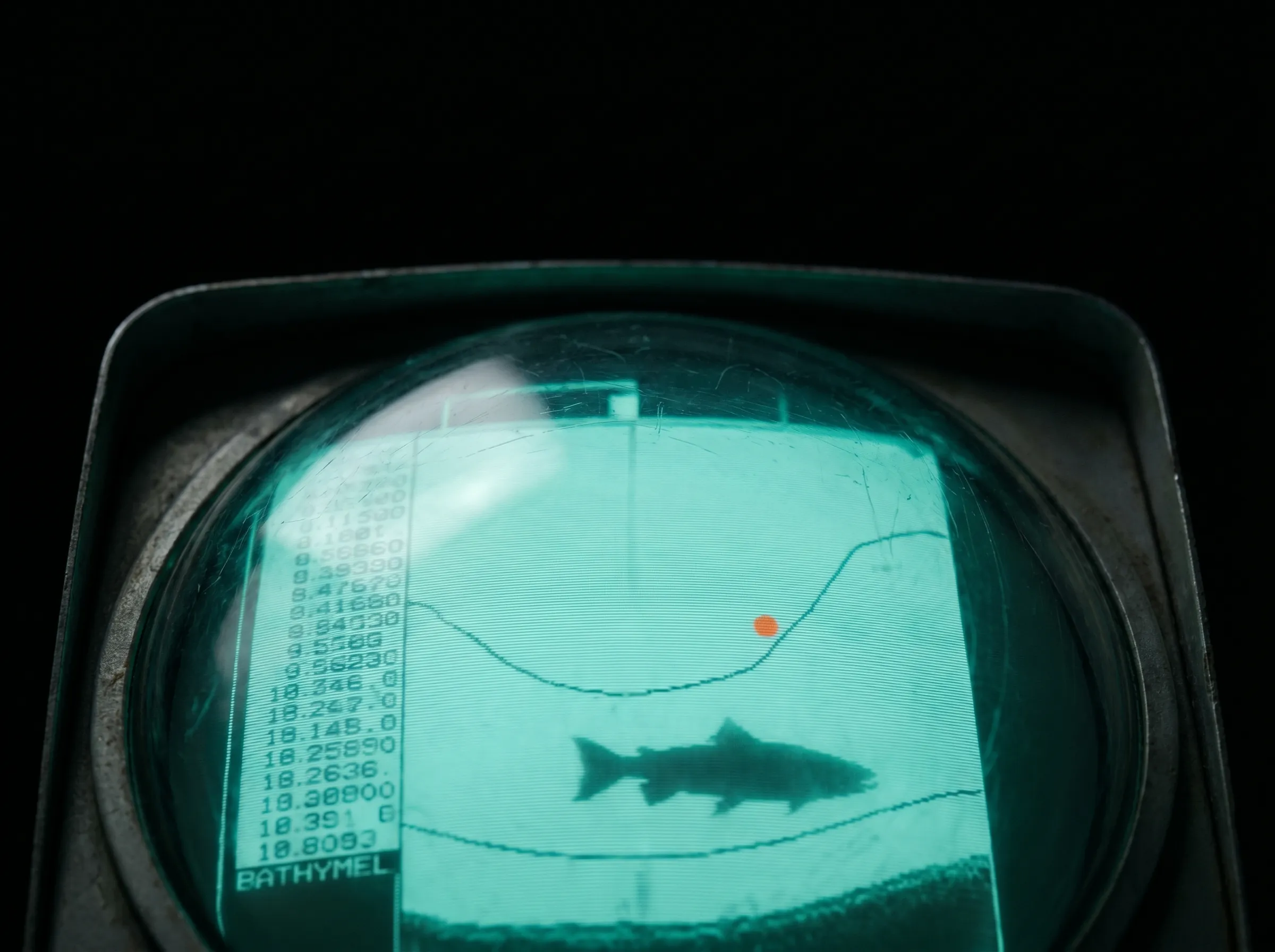
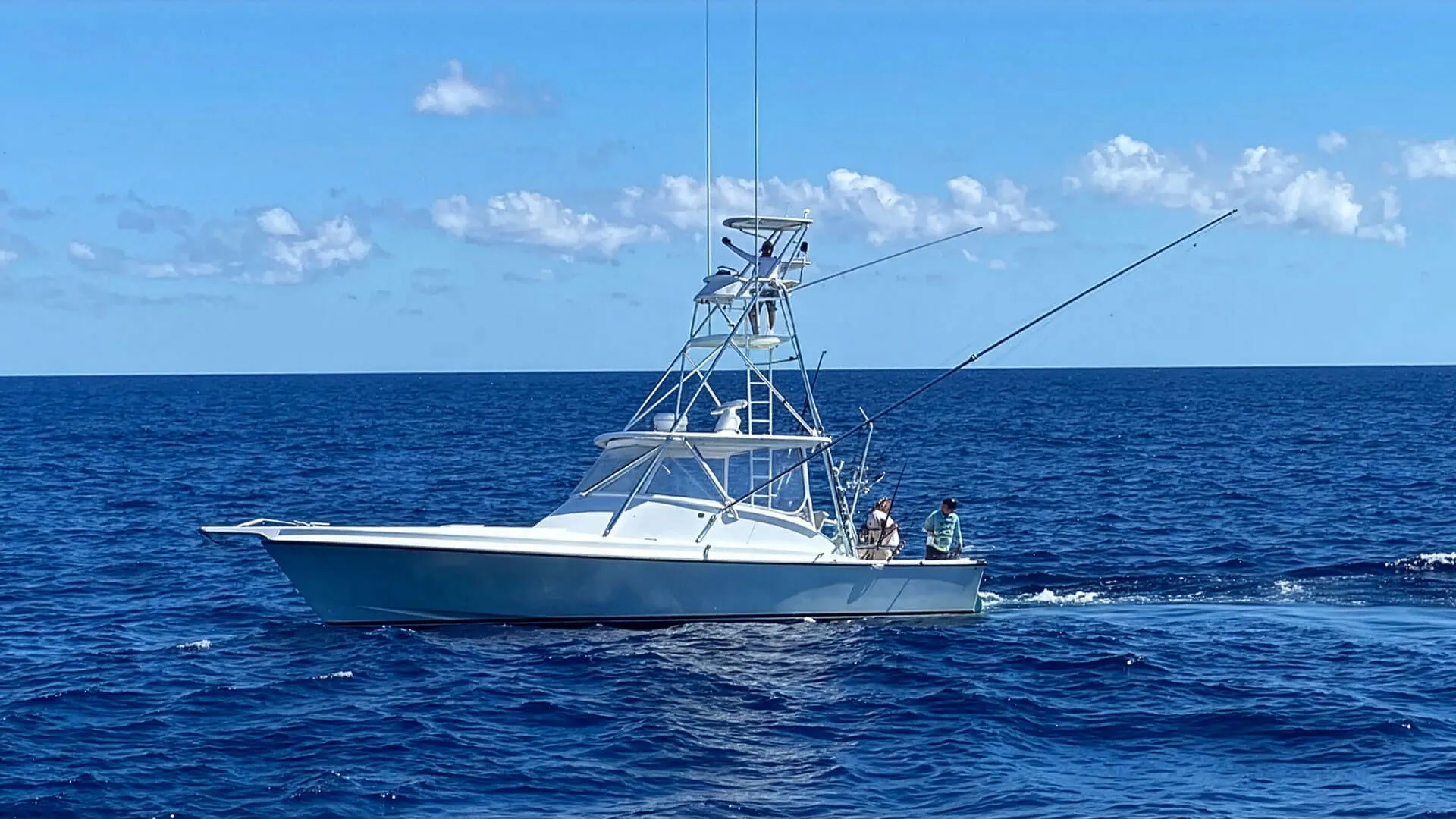
DirtyBoat 2.0 is the current 42 foot vessel and the case study we send when someone asks what agentic web development looks like in production. We rebuilt the booking engine, wrote a custom CRM, and integrated an Anthropic-powered agent that handles inquiry triage and booking confirmation. The customer-facing surface looks like a normal booking flow. The back of the house is a set of agents doing the coordination work that used to require a human on the phone.
FishIntel.ai went from concept to live product in a single day. That is not a marketing claim, it is what happened. A SaaS product that reads conditions and returns fishing intelligence, designed and shipped inside twenty-four hours because the operating model allowed it. A traditional agency structure could not have done that on any budget because the coordination overhead alone would eat the day.
Beat Saber is the counterexample and the reason we do not oversell the AI framing. VR platform UX for a ten-figure platform. Agents helped us move faster on the production side. The core product decisions were done by two humans looking at a Figma file and arguing about what a menu should feel like when you cannot see your hands. No agent was going to answer that question.
Marriott Vacation Club is enterprise hospitality, and the constraints are entirely different. Compliance, brand guardrails, integration with systems that predate the modern web. Agents are useful there, but the studio value is the judgment about where not to use them.
Product design and build, in one contract
Most vendors in this space are one of two things. They are a design shop that hands a Figma file to an engineering shop. Or they are an engineering shop that treats design as decoration on top of a working backend. The friction between those two modes is where projects die, and it is where six-figure budgets turn into eighteen-month rewrites.
A product design and build studio, which is the older and more accurate name for what we are, closes that gap by having the same two people responsible for both. When Angelo designs the booking-confirm interaction model, the engineer who has to build it is either Angelo or Kit sitting three feet away. When Kit writes the agent orchestration behind that flow, the person who has to make it feel human at the interface is Angelo, and they have already had the conversation.
Adding agents to a studio that already works that way makes it faster. Adding agents to a studio that does not work that way makes it faster at producing the wrong thing.
What this costs and how it starts
The floor is roughly $10K for a small piece of scoped work. Most programs start near $25K. We do not do hourly billing. We do not have a sales team. Work comes through introductions or direct outreach to hello@vicealliance.com.
If you are trying to figure out whether the AI framing is right for your project, the honest test is whether you can articulate what the agent would do at 3am on a Tuesday when a customer is trying to complete a booking. If you can, the technology probably belongs in your stack. If you cannot, you want a design engineering studio first and the AI conversation second. We have written about that split in what a design engineering studio actually does and the design engineering studio explained through what we build.
The label on the door is less interesting than what comes out of it.