The booking engine that started the argument
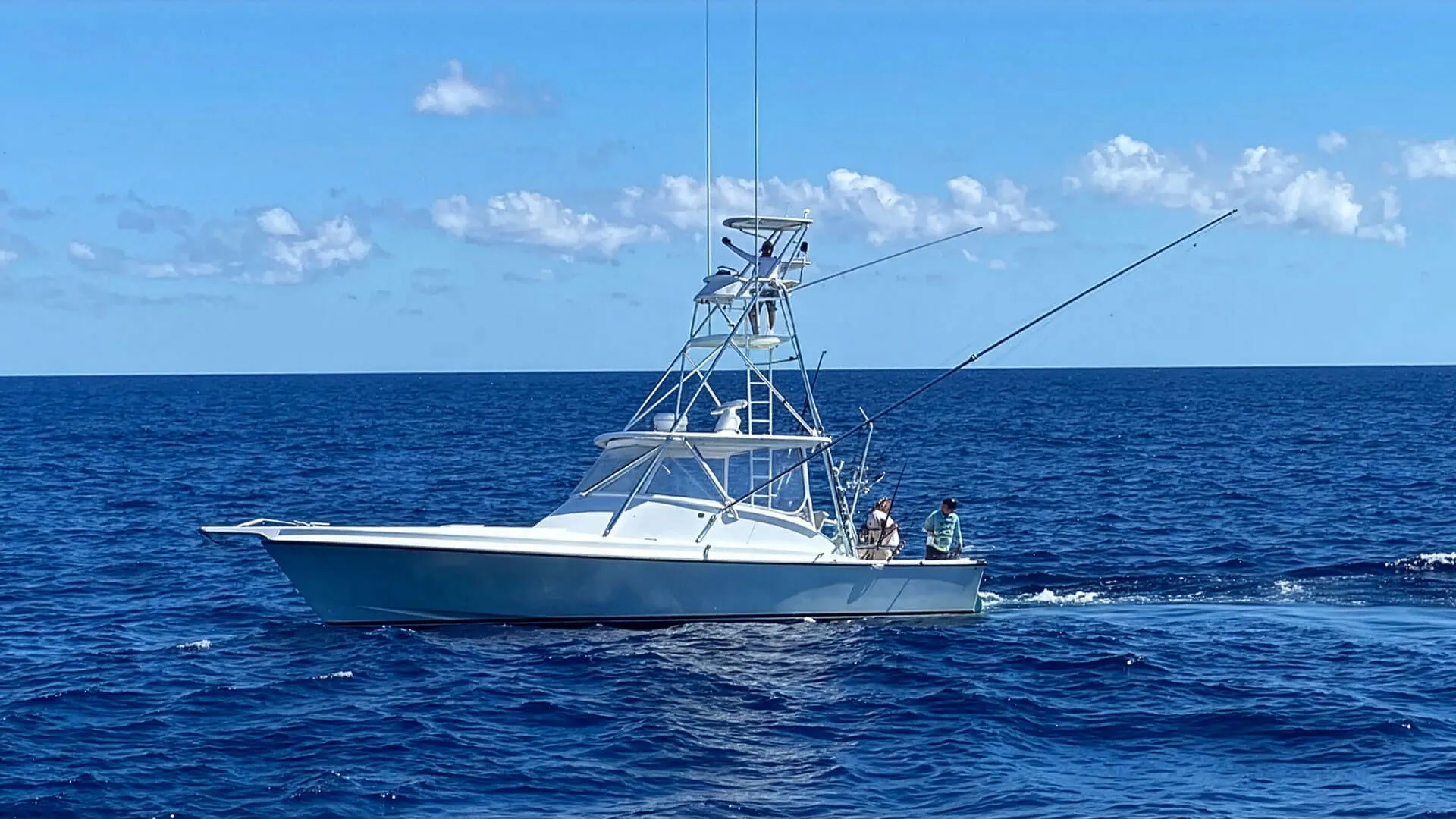
DirtyBoat Charters ran on FareHarbor for ten years. It worked. Customers booked trips, payments cleared, the calendar stayed accurate. But there were problems we couldn’t fix without owning the stack: no custom pricing logic, no integration with the captain’s weather-and-tide workflow, a checkout experience designed for a general marketplace, and no access to customer data after the transaction.
We had scoped this rebuild twice before. Both times the estimate came back in months. Both times we shelved it.
In early 2026 we rebuilt it in weeks. Claude CLI and the internal tooling we’d built on top of it (what we call OpenClaw) compressed the structural engineering enough that the project finally made sense. The AI wrote the Supabase schema, the Stripe integration scaffolding, the calendar sync logic, and the Astro page templates. A human wrote the pricing rules, the error-handling edge cases around weather cancellations, and the UX for the actual booking flow. Angelo designed the interaction model for how a captain confirms a trip from his phone at 5am on a rolling boat.
That division is the part worth paying attention to. The AI handled what is structurally repetitive: CRUD operations, API wiring, deployment configuration, the boilerplate that connects services to each other. The humans handled what requires judgment about a specific business in a specific place.
What the numbers looked like
Before the rebuild, FareHarbor took a per-booking fee. The platform owned the checkout. Customer data lived in their system. After: Stripe direct, our checkout, our data. The cost per transaction dropped. The conversion rate on the booking page went up because we could design for one boat, not a marketplace template.
Engineering hours on the rebuild: roughly 60% went to human work, 40% to AI-generated code that we reviewed and shipped. The 40% is where the time compression came from. That code would have taken a junior engineer weeks to write. The AI produced it in hours. It still needed review, testing, and in several cases rewriting when the generated logic didn’t account for charter-specific edge cases (tide windows, weather holds, split-party bookings).
We didn’t track the savings in a spreadsheet. The honest answer is that this project would not have happened without the tooling. It would have stayed on the shelf.
The second proof case
Islamorada Luxe Charters was the real test, and the project was simpler than DirtyBoat. The interesting part was that the client built it herself.
We provisioned an OpenClaw workspace. The client, a non-technical charter operator, used the workspace to build and ship a production Astro site. We wrote zero lines of code on her repo. The workspace handled the scaffolding, the deployment pipeline, the DNS configuration. She made the design decisions, wrote the copy, chose the images.
Fourteen days after launch she ranked page one for “Islamorada Sandbar Charters.” A competitive local search term.
That result is partially luck (new domain, fresh content, thin competition on that exact phrase). The structural point still holds: the workspace collapsed the gap between “I want a website” and “I have a website” from months to days, without an engineering intermediary.
Where agentic development fails
The term “agentic” gets used loosely. In our context it means the AI operates with some autonomy inside a constrained environment: it can create files, run builds, execute deployments, but within guardrails. It cannot push to production without a human merge. It cannot modify billing or authentication logic without review.
Here is what it is bad at.
Design judgment. The AI can generate a component. It cannot tell you whether that component belongs on the page. Angelo’s UX decisions on the DirtyBoat booking flow (where to place the weather advisory, how to handle the moment a customer hesitates on price) come from twenty years of watching people use interfaces. A model doesn’t produce that.
Domain-specific edge cases. Charter fishing has cancellation rules tied to NOAA forecasts. The AI doesn’t know that a small craft advisory means something different in Hawk Channel than it does in the Gulf Stream. Kit does. Every vertical has equivalent blind spots.
Voice. Every piece of client-facing copy we ship goes through a human pass. The AI’s default register is competent but generic. Our clients can tell.
The operating model going forward
We run OpenClaw across all studio engagements now. The pattern is consistent: AI handles structural code, deployment config, data wiring. Humans handle design, strategy, domain logic, and client-facing work. The ratio shifts per project. A data-heavy internal tool might be 70% AI-generated. A brand site with heavy interaction design might be 30%.
The cost implication is real. Two principals can carry a workload that would have required a team of six in 2022. That is the math that makes a small studio viable for the kind of work we take on.
What we don’t know yet is where the ceiling is. The tooling improves monthly. The proportion of human-to-AI work keeps shifting. We are building the studio around the assumption that it continues, while being clear-eyed that the human parts aren’t going anywhere soon.
Sources: Anthropic Claude CLI documentation · Astro Framework · Stripe Direct Integration docs · FareHarbor platform