The label that gets misused
The phrase “design engineering studio” has been doing a lot of work lately. Most of the time it means a design agency that hired a React developer, or an engineering shop that hired a designer. That is not what we mean by it.
We mean a studio where the person drawing the interaction is the person writing the production code, or sitting two feet from the person who is. There is no handoff. There is no Figma-to-Jira translation layer. The artifact and the build are the same conversation.
That distinction sounds small. In practice it changes the entire economics of shipping a product.
The handoff is where projects die
Most digital work fails at the seam between design and engineering. A team spends six weeks producing a Figma file with 200 frames, a developer gets it on a Monday, and by Wednesday there are 40 Slack messages about edge cases nobody specified. Loading states. Empty states. What happens when the API is slow. What happens when the user has 47 items in their cart instead of 3.
A design engineering studio collapses that gap because the same people are responsible for both sides. When Angelo is designing the booking-confirm interaction model for DirtyBoat, he is already thinking about how the Anthropic-powered agent will hold state across a session. The design is not a wish. It is a spec that has already survived contact with the runtime.
We have run the other model. We have been the engineering team receiving a beautiful comp from an outside agency and quietly rebuilding half of it because the interaction physics did not exist outside the artboard. It is expensive. It is slow. The client pays for the same decision twice.
What we mean by AI web development studio
Half our work now involves agentic systems in some form. AI web development studio is the search term people use, but the work is more specific than that suggests.
We are building products where the interface is partly a conversation with a model, partly a deterministic application, and the hard part is the boundary between them. DirtyBoat is the cleanest example we can point to publicly. A booking engine where the customer can describe what they want in natural language and the agent has to actually know inventory, pricing, weather constraints, and the operator’s calendar. The design problem and the engineering problem are the same problem. There is no way to draw the UI without understanding what the model will reliably return, and there is no way to scope the model without understanding what the interface will commit to showing.
That is the part of agentic web development that does not survive a traditional agency structure. You cannot hand a designer a brief that says “make it feel intelligent” and expect a deliverable that an engineer can ship. The intelligence is the product. The interface is just the part the user touches.
We wrote more about how we actually take these to production in Agentic Web Development in Production. The short version: the cost of being wrong about model behavior is paid in interface complexity, and you cannot decide one without the other.
Product design and build studio, in practice
When clients ask what we do, we usually say product design and build studio before we say anything else. It is the most honest description of the work.
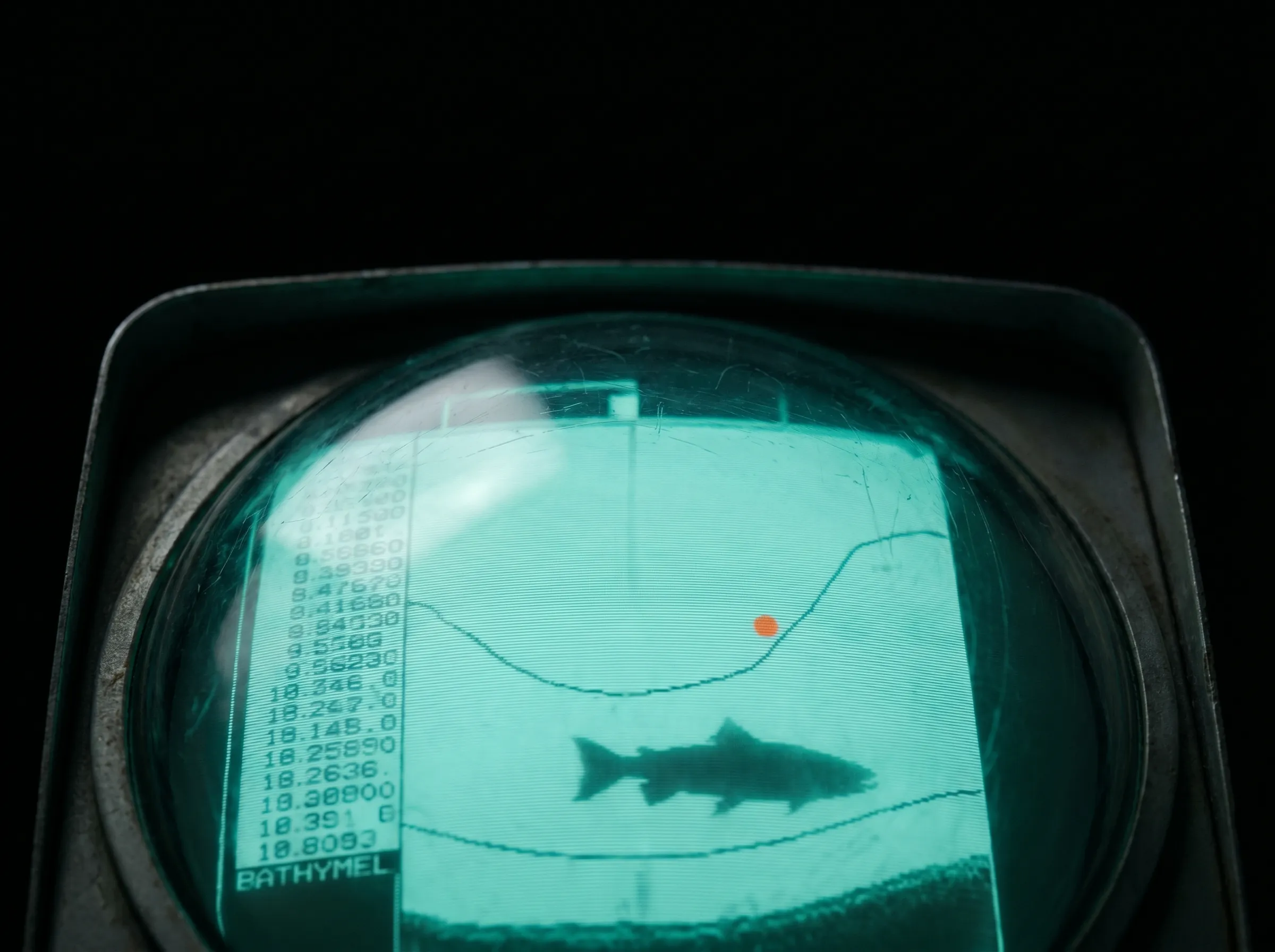
We take products from concept to live. Sometimes that takes a day. Fishintel AI went from a conversation to a working SaaS product running in production inside 24 hours. That is not a stunt. It is what becomes possible when the design decisions and the engineering decisions are made by the same hands on the same afternoon.
Sometimes it takes a year and looks nothing like that. The Marriott Vacation Club work was enterprise hospitality at a scale where the design system itself had to be defended against a dozen internal stakeholders and three legacy platforms. Different problem entirely. Same studio model, because the same compression of design and engineering is what made the decisions stick.
The work scales down to a single weekend and up to a multi-quarter enterprise engagement. What does not scale is the team shape. The minute you add a producer translating between a design pod and an engineering pod, you have rebuilt the agency model and lost the thing you were paying for.
Where the model breaks
We should be honest about where this falls down.
It breaks when the client wants to buy hours instead of outcomes. The studio model is priced against shipped product. If the engagement is structured as a staffing arrangement, the compression we are describing becomes invisible on the invoice, and the client correctly wonders why they are paying studio rates for what looks like contractor work.
It breaks when the scope requires deep specialization we do not have in-house. We do not pretend to be a data engineering team. We do not pretend to be a mobile-native shop. When a project needs that, we either bring in a partner or we pass.
It breaks when a client’s internal process requires the handoff we just spent this post arguing against. Some enterprises genuinely need the Figma-to-Jira translation layer because their compliance and review process is built around it. We can work inside that, but the studio model stops being the reason to hire us. At that point we are just a competent vendor.
We turned away two engagements in the last six months for exactly this reason. Not because the work was bad. Because the shape of the engagement would have erased the thing that makes our output worth what it costs.
The lineage
We have been doing some version of this since the late 1990s. TheGlobe era, the 606% IPO day, the two co-invented patents. VR platform UX at Beat Saber. The technologies change. The studio model, designer and engineer as one decision-maker, has not.
What is different now is that AI has made the compression more valuable, not less. When a single decision in the model layer can change six screens of interface, the studios that ship are the ones where the same person is responsible for both.
If you are evaluating studios
A few things worth asking, of us or anyone else claiming the label.
Who actually writes the production code. If the answer involves an offshore partner you have not met, you are buying an agency, not a studio.
What is the smallest shipped thing they can show you. Concept decks are cheap. A live URL with their fingerprints on the interaction model is the only real evidence.
How do they price. Hourly billing and the design engineering model are structurally in tension. Not impossible, but worth understanding before the engagement starts.
We are at hello@vicealliance.com, or 161 Garden Street, Suite 1, Tavernier, FL 33070 if you are in the Keys, or 379 Royal Street, Palm Bay, FL 32909 on the Space Coast. The contact page has the rest. If you want to see the work first, Craft is where it lives.