What the phrase actually means
A design engineering studio is a shop where the people designing the product are also the people shipping the product. There is no handoff. There is no translation layer. The person deciding what the booking flow should feel like is the same person writing the state machine that runs it.
That sounds like a small operational detail. It is the whole thing.
Most of the industry is organized around the opposite premise. An agency has a strategy team, a creative team, and a production team, plus account leads to move work between them. Each handoff costs something. Intent gets flattened into a spec. The spec gets flattened into a ticket. By the time code is shipping, the reason for the decision is three documents removed from the person implementing it.
We started Vice Alliance in 2008 and relaunched in 2026 with the same conviction we had then: the way to make good things is to keep design and engineering in one room, on one contract, with one point of accountability. Two principals. Kit and Angelo. Everything runs through us.
The operating model, concretely
Here is what “no handoff” looks like on a real project.
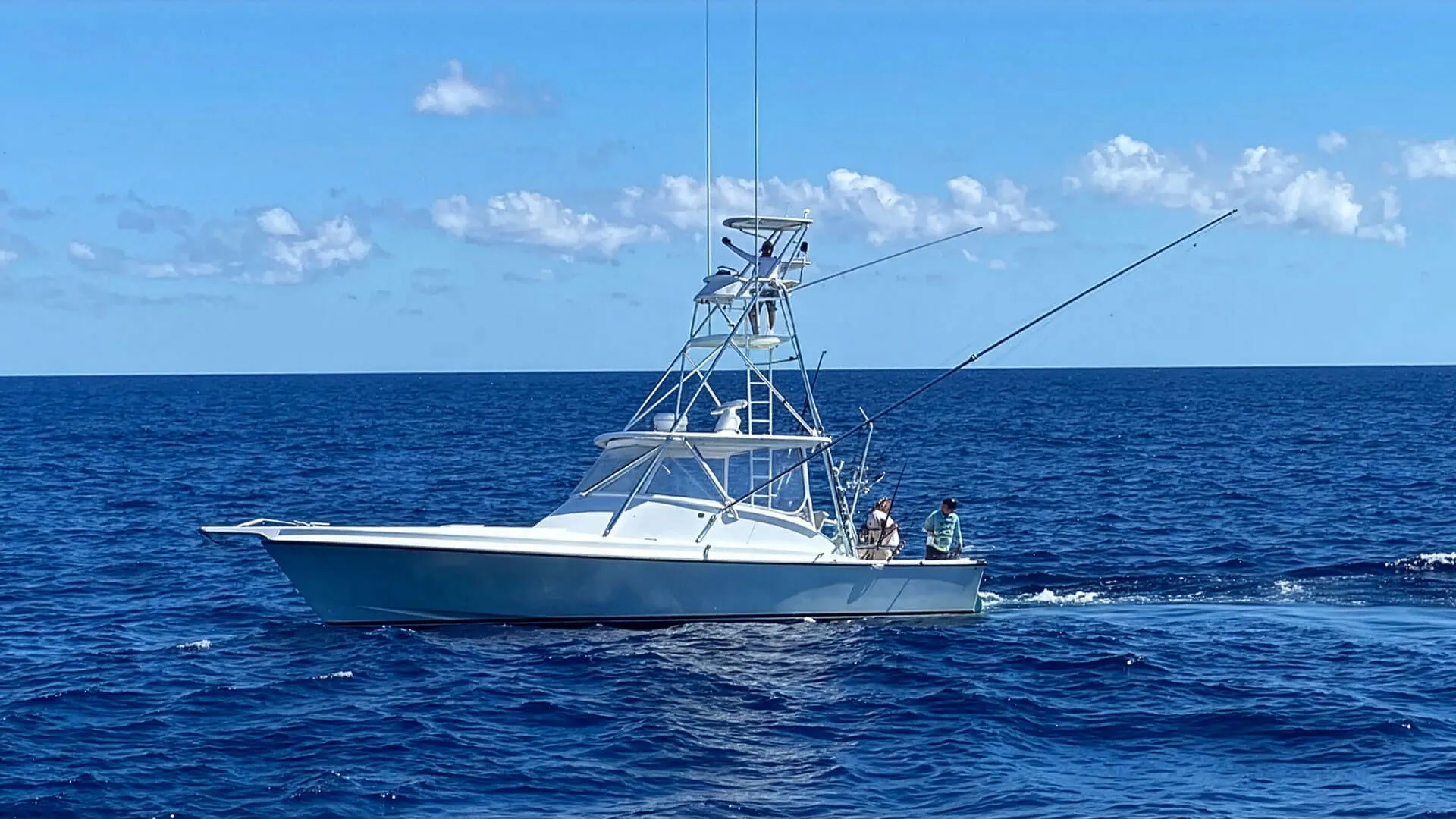
DirtyBoat came to us to rebuild their booking engine. The existing stack was patched together across three vendors, each responsible for a slice, none responsible for the whole. Bookings were leaking. The CRM did not talk to the calendar. The confirmation flow was a mess of transactional email templates that nobody owned.
We took the whole contract. UX research, information architecture, brand tokens, the booking engine itself, the custom CRM behind it, and an Anthropic-powered agent that handles inbound customer questions before they reach a human. One team, one repo, one deployment pipeline. The DirtyBoat 2.0 case covers the specifics.
The point is not that we are faster than a stack of three vendors, though we are. The point is that when Angelo designed the confirmation interaction model, he could sit with the API response shape and adjust both sides at once. When Kit wired the CRM to the booking calendar, the data model already reflected the UX decisions because those decisions had been made against the data model in the first place.
That is what a studio is. That is what an agency, by structure, cannot be.
AI web development studio, agentic web development, the actual practice
The phrase “AI web development studio” gets used loosely. Sometimes it means a shop that uses Copilot. Sometimes it means a shop that builds AI features into client products. Sometimes it means a shop whose entire delivery model is agent-orchestrated.
We do all three, and the third is the interesting one.
OpenClaw is the internal harness Kit built to coordinate a pool of frontier agents through studio workflow. Claude, Gemini, Codex, Higgsfield, and a rotating bench of specialized models, each doing what it is best at, with the two of us reviewing at the seams. It is not a public product. It is the thing that lets two principals ship what used to take a team of fifteen.
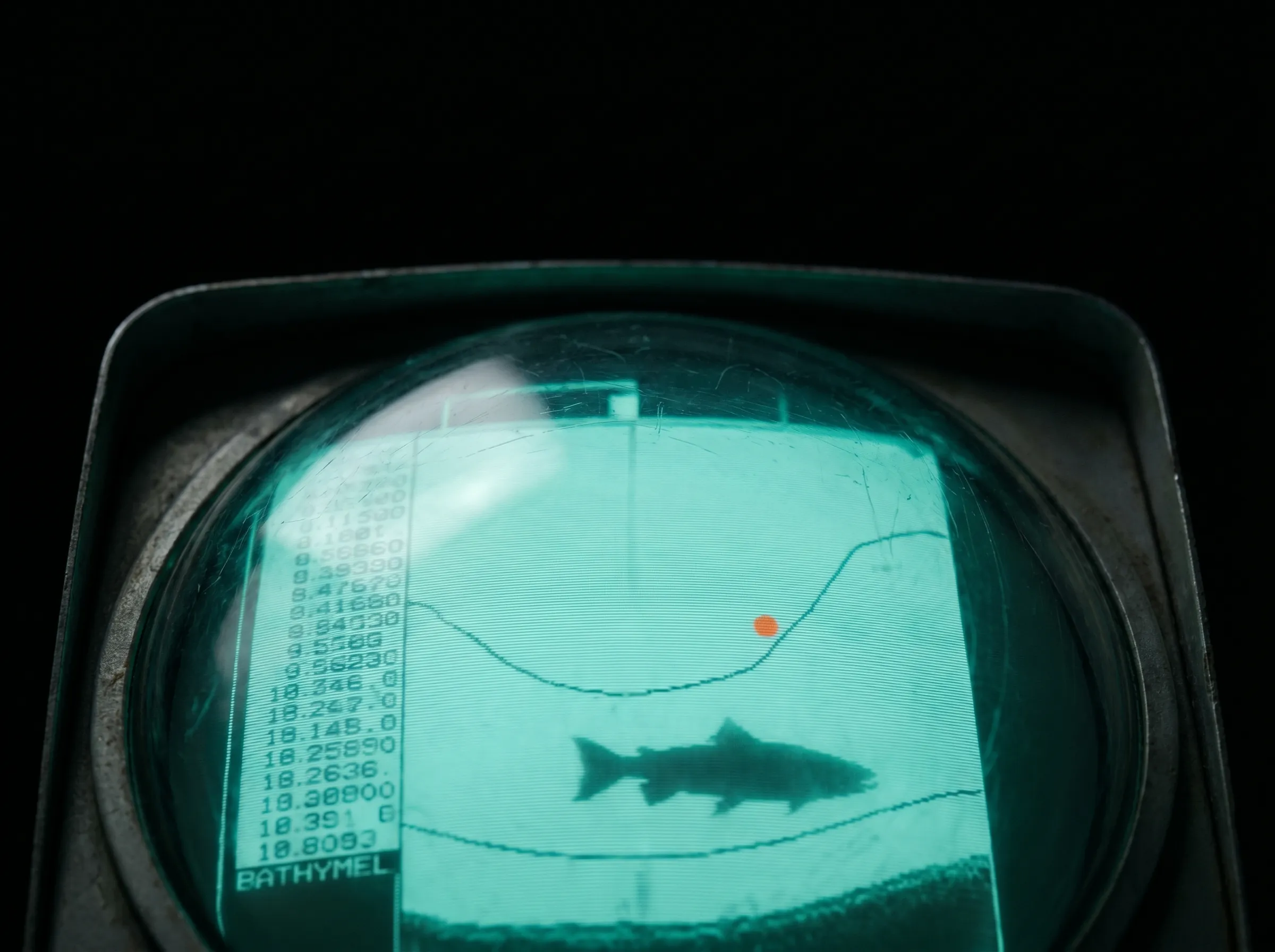
The reason we can talk about agentic web development as a delivery model, and not a demo, is that we run it on paying work every week. FishIntel.ai went from concept to a live product in a single day. Not a prototype. A live SaaS with authentication, a working data pipeline, and a paying-customer-ready interface. That timeline is only possible because the design decisions and the engineering decisions were made by the same two people, with an agent pool doing the mechanical work under supervision.
Agentic development without design authority produces slop at scale. Design authority without engineering fluency produces beautiful specs that get value-engineered on the way to production. The studio model is what keeps both honest.
Product design and build studio, without the split
Some shops call themselves a “product design and build studio” and mean they do design, then hand it to a build partner. Some mean they do build, and paint some UI over it. We mean neither.
A single contract covers strategy through deployment. When we took on Beat Saber’s platform UX, we were working inside a ten-figure product. The design decisions had engineering consequences that a slide deck could not describe honestly. So we did not describe them in a slide deck. We built the interaction, put it in front of the actual platform, and iterated against real constraints.
Marriott Vacation Club is a different scale entirely. Enterprise hospitality, layered compliance, existing systems that cannot be replaced overnight. The studio model works there too, because what enterprise clients need is not more people. It is fewer decisions getting lost in translation. Two principals who can hold the whole surface in their heads, backed by agent-orchestrated production, ships cleaner than a team of thirty splitting responsibility across four floors.
The counterexample is our eleven-year operate retainer with Robbie’s of Islamorada. Over $7.1M in online revenue across the partnership. That is not a project. It is a standing relationship where the same two people who built the thing keep operating it. An agency cannot economically do that. A studio can, because the overhead is not there.
What we do not do
We do not do logo-only work. We do not do hourly billing. We do not do cold sales. We do not have a design team and an engineering team as separate functions, because that split is the exact thing our model rejects.
Pricing floor is around $10K. Most programs start near $25K. Introductions or direct outreach only.
If a shop is telling you they are a design engineering studio and they have twelve account managers, ask who is writing the code. If the answer is “our production partner,” you are talking to an agency with better marketing.
Where this fits in the wider argument
We have written more directly about the model itself in What a Design Engineering Studio Actually Does and The Math of Working With a Smaller Studio. This post is the practical companion: what the model produces, on which projects, with which tooling.
The through-line for us goes back to the TGLO era, chronicled here, where Kit co-invented two patents (US 6,999,458 and EP 1836591 A2) during the 606% first-day IPO run. That work taught us that the interesting problems live at the seam between what a product should feel like and what it can technically do. Every studio decision since has been about keeping that seam owned by the same people.
If you have a project that needs both halves handled by the same hands, hello@vicealliance.com. Offices in Tavernier and Palm Bay. Remote-friendly, in person where it matters.