

101 days. 200+ assets. Zero breaks.
A campaign design system for Malibu Rum's 101 Days of Because Summer. 60 million combined impressions across 16 asset types, with multiple agencies running simultaneously and zero brand consistency issues over the entire campaign.
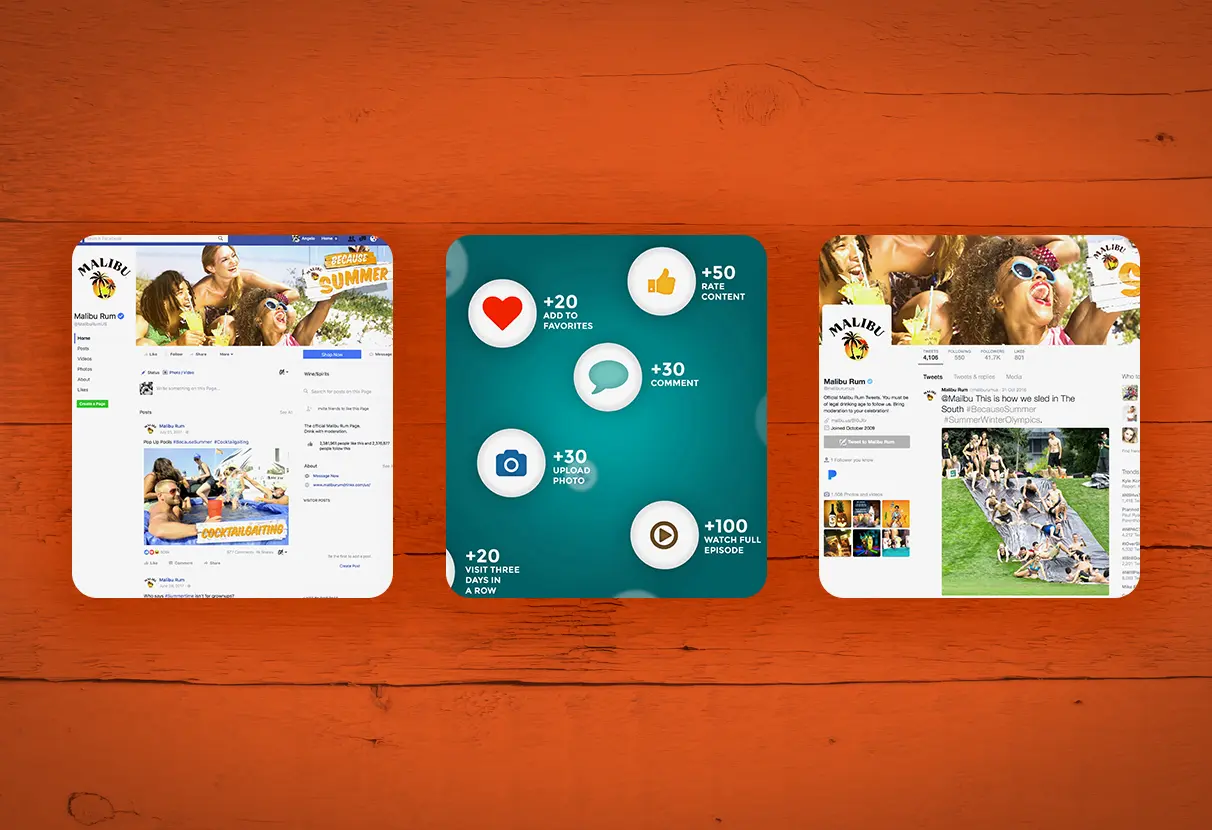
The brief wasn't
great individual pieces.
Malibu had strong awareness. Assets lacked coherence. Multiple agencies, 16 asset types, 101 days produced color variations, divergent type, shifting tone. Brief: make inconsistency structurally impossible.
Different agencies applied the palette differently. Blues ran cool in one team's hands and warm in another's.
Font choices varied by producing team. The brand voice felt consistent; the visual execution didn't match it.
Existing brand guidelines covered stable environments. They didn't address dark backgrounds, motion principles, or co-branding hierarchy for high-velocity campaigns.
Authenticity signals (real ingredients, natural settings, low-production-value unscripted moments) consistently outperformed polished production content.


Summer as
a physical sensation.
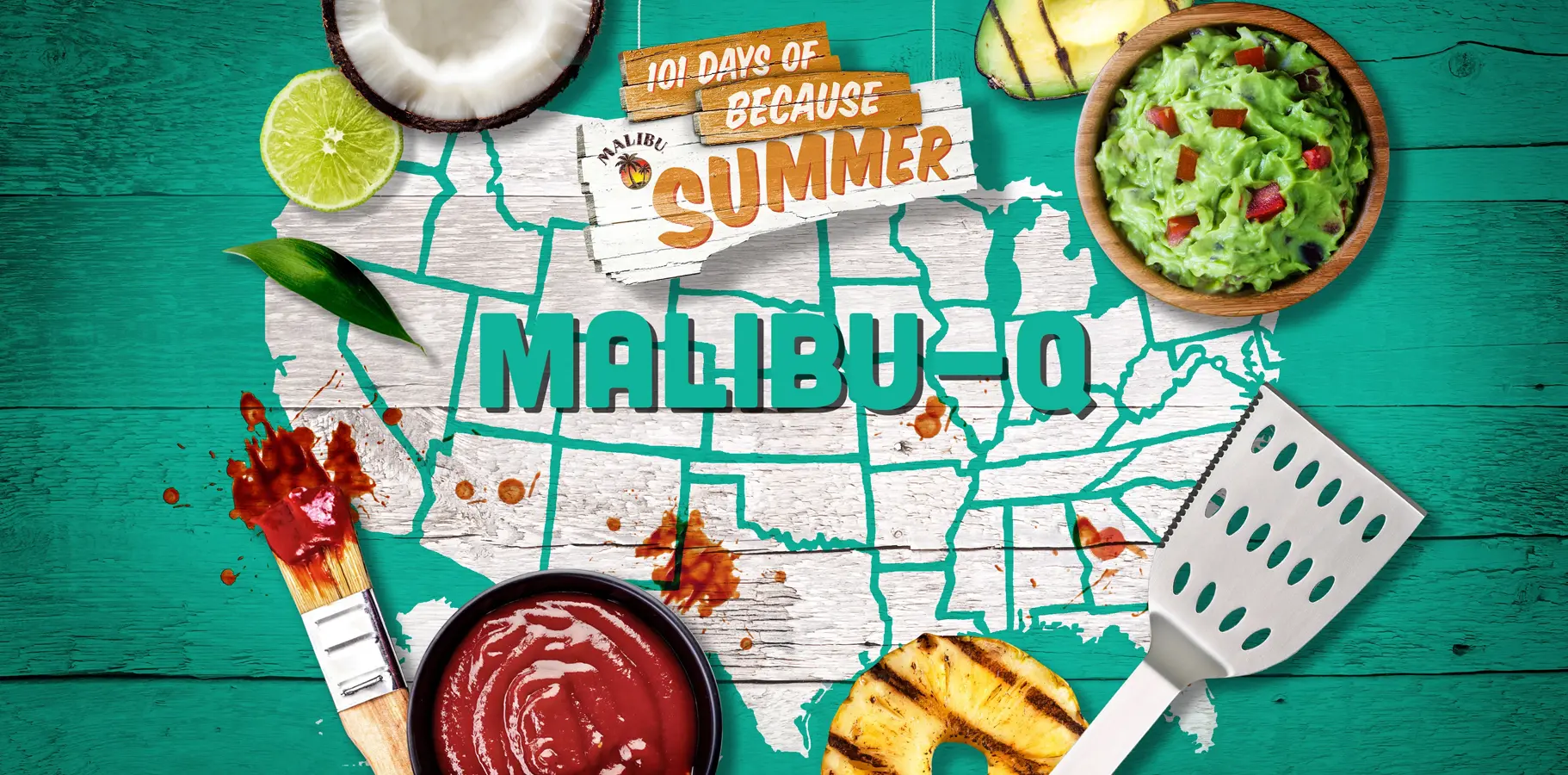
The design philosophy conceptualized summer not as a season but as something you could feel — the warmth of a lime in your hand, the grain of a beach chair, the cool of aqua water. Natural textures as foundational surfaces, not decorative options.

Toolkits that require
institutional knowledge to use
are not toolkits.
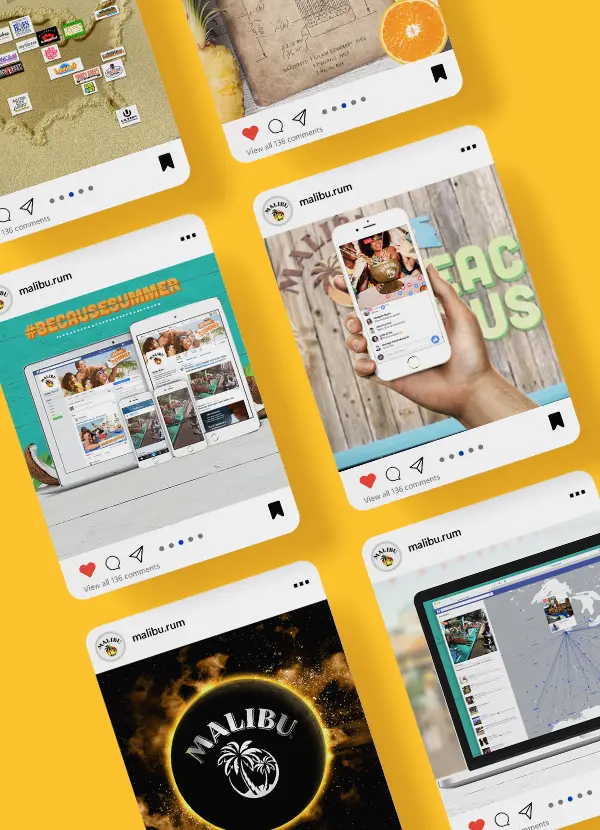
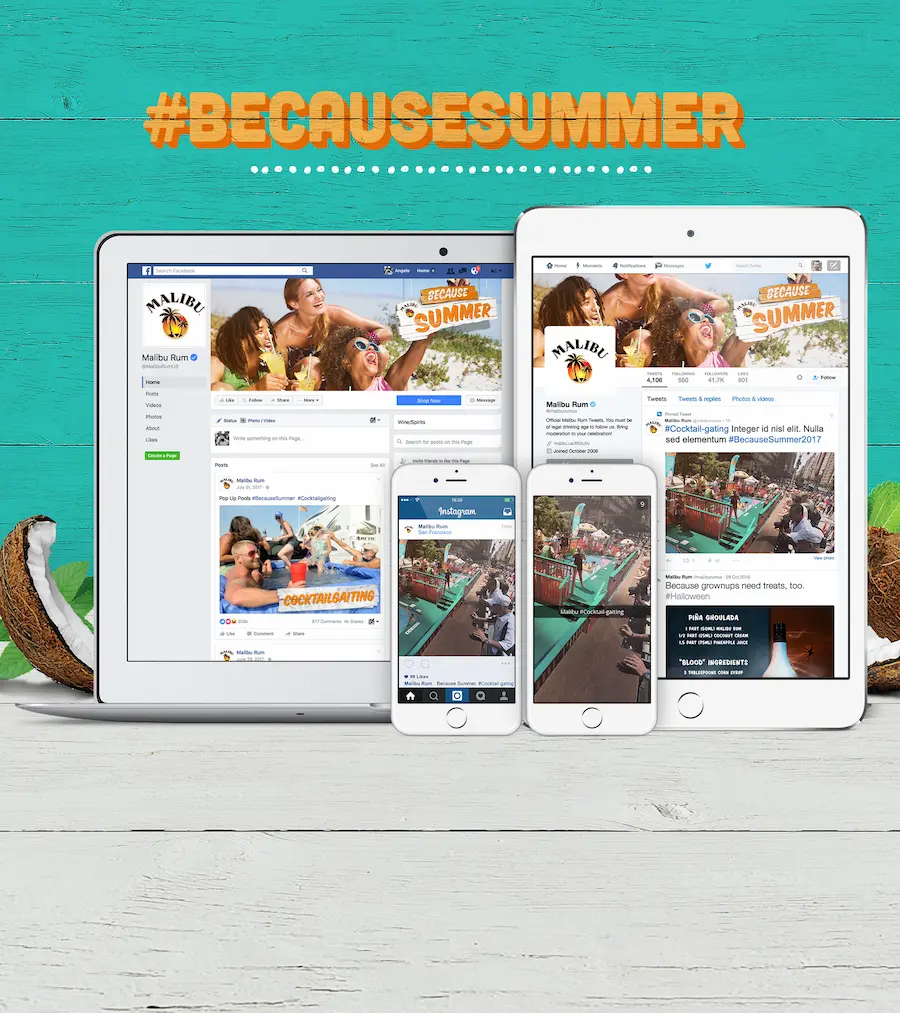
The standard: a designer with zero prior campaign exposure should produce on-brand content within 30 minutes of opening the files.
Toolkits that require
institutional knowledge.
Are files, not toolkits.
Systems thinking
over asset production.
The Malibu engagement crystallized a principle that now shapes every campaign system we build: the measure of success is not the quality of individual assets. It is whether the system makes quality the default outcome regardless of which team is producing.
Zero missed dates.
Zero escalations.
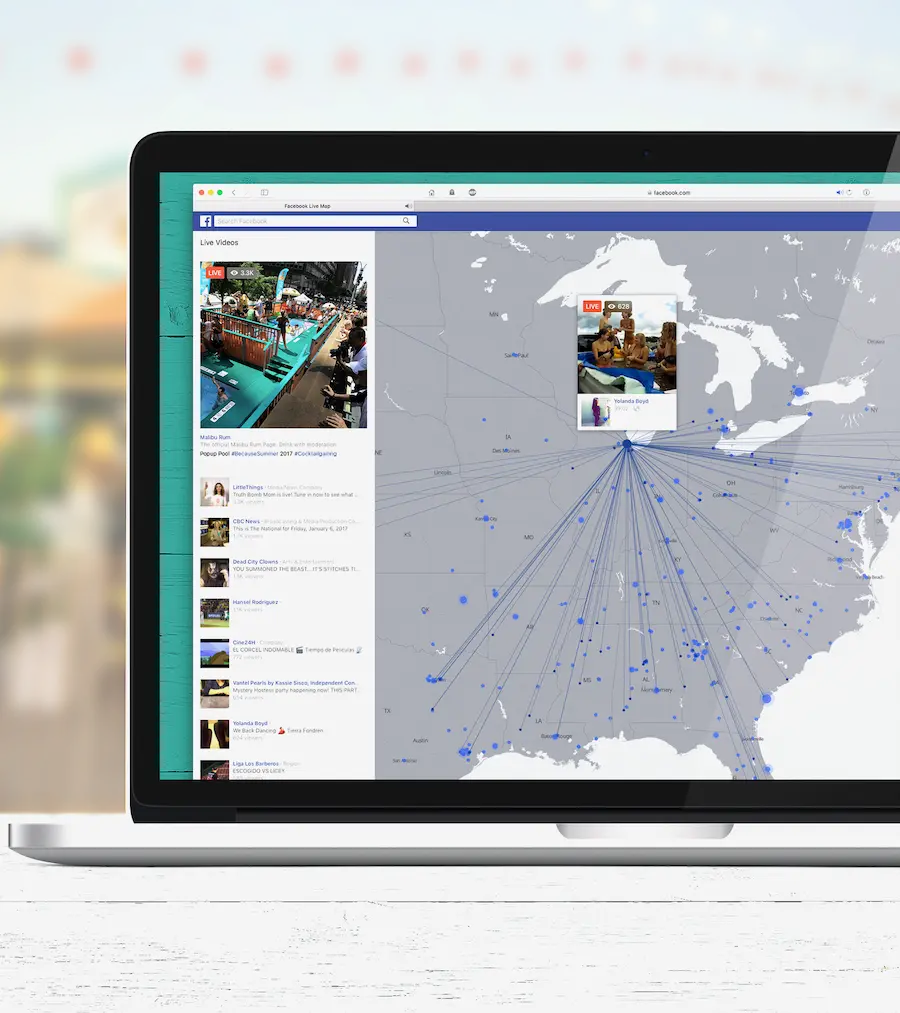
Both the Bean Cam live-stream overlays and the Snapchat lens integration maintained full brand consistency with the static asset library. That is the more meaningful measure of success — not whether the hero shot looks good, but whether the edge cases hold.
The international expansion — four markets adopting the system without modification — validated that the system was designed for reuse, not for a single deployment. That's the standard we build to.