
Four worlds. One creative discipline.
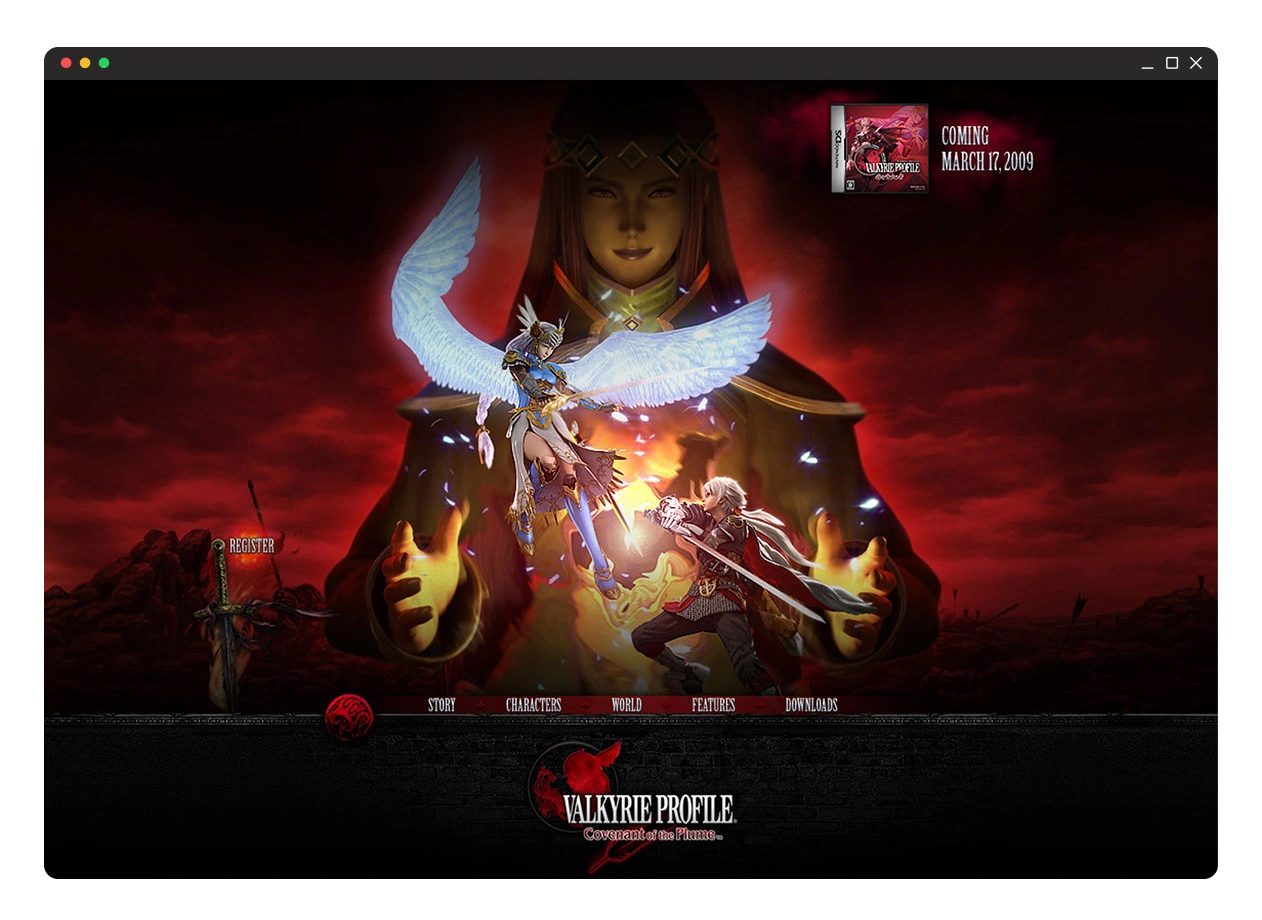
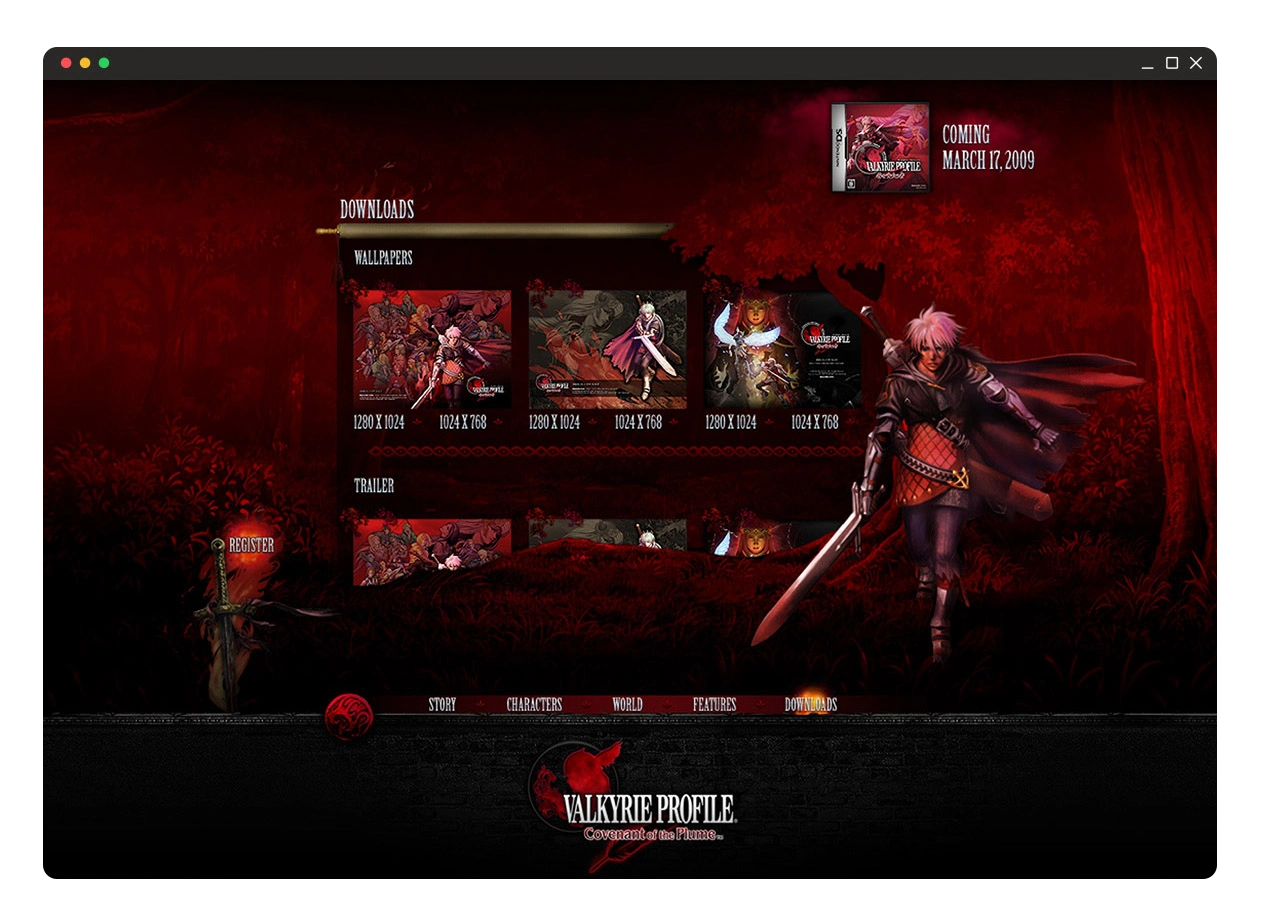
Campaign creative across four major game titles: Bulletstorm, EA Alice: Madness Returns, Kaijudo: Rise of the Duel Masters, and Square Enix. Each game was a completely different world. Same principle for all: earn the audience, don't just reach them.
Earn the player
before they play.
Gaming audiences are the most genre-literate consumers in entertainment. They recognize lazy creative immediately and ignore it. Every campaign had to operate from inside the game's world, not above it.
The brief, for every title:
Don't explain the game. Prove the world.
Bulletstorm's gleeful ultraviolence. Alice's fractured Victorian nightmare. Kaijudo's trading-card mythology. Square Enix's genre-spanning JRPG legacy. Each one a distinct audience with specific expectations.
The creative for each title was developed from a deep read of the game's tone, not the publisher's marketing brief in isolation, but the game itself: what it felt like to play, what the world rewarded, what the audience was already predisposed to love.
Across four publishers, same discipline: trust audience sophistication. Lead with the world, not features.
Kill with
skill.
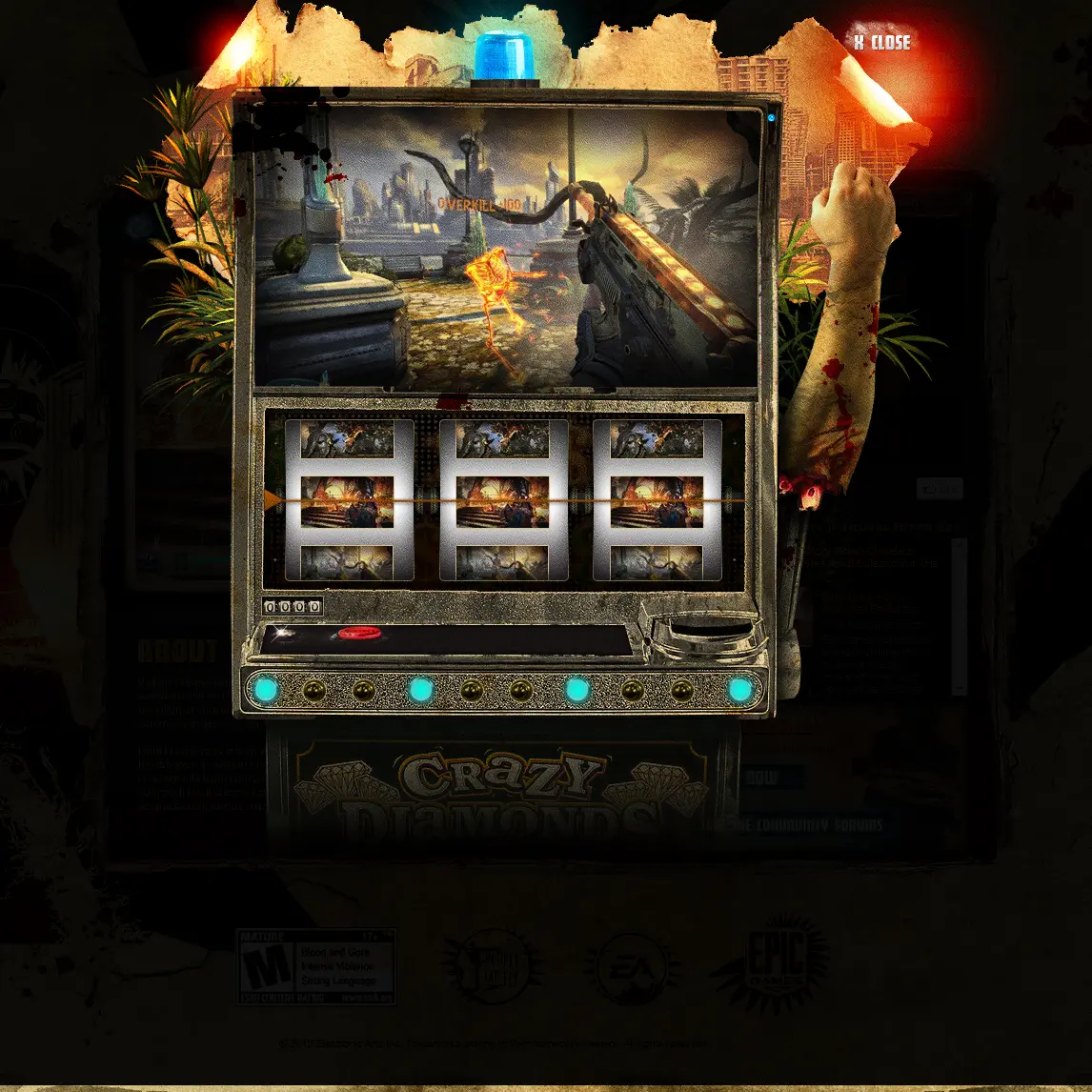
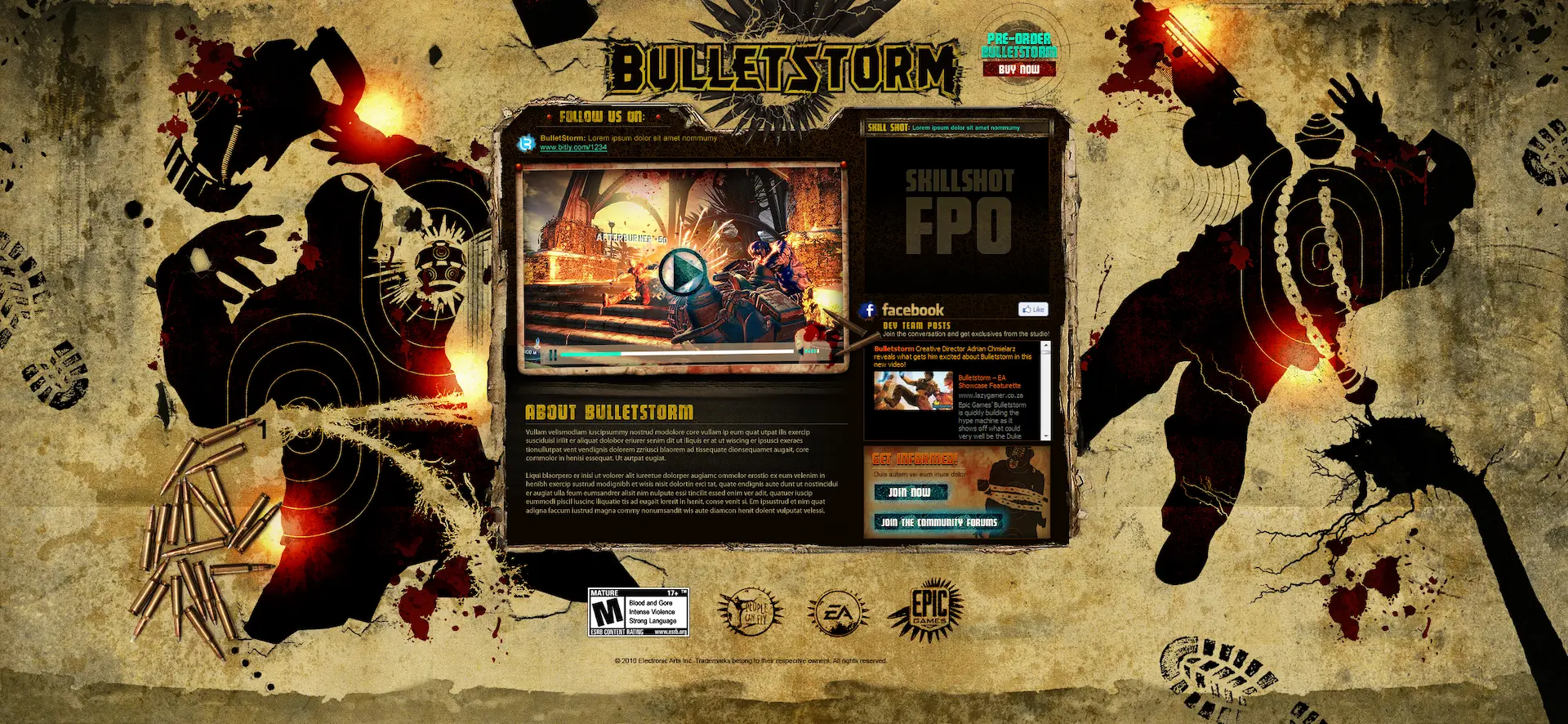
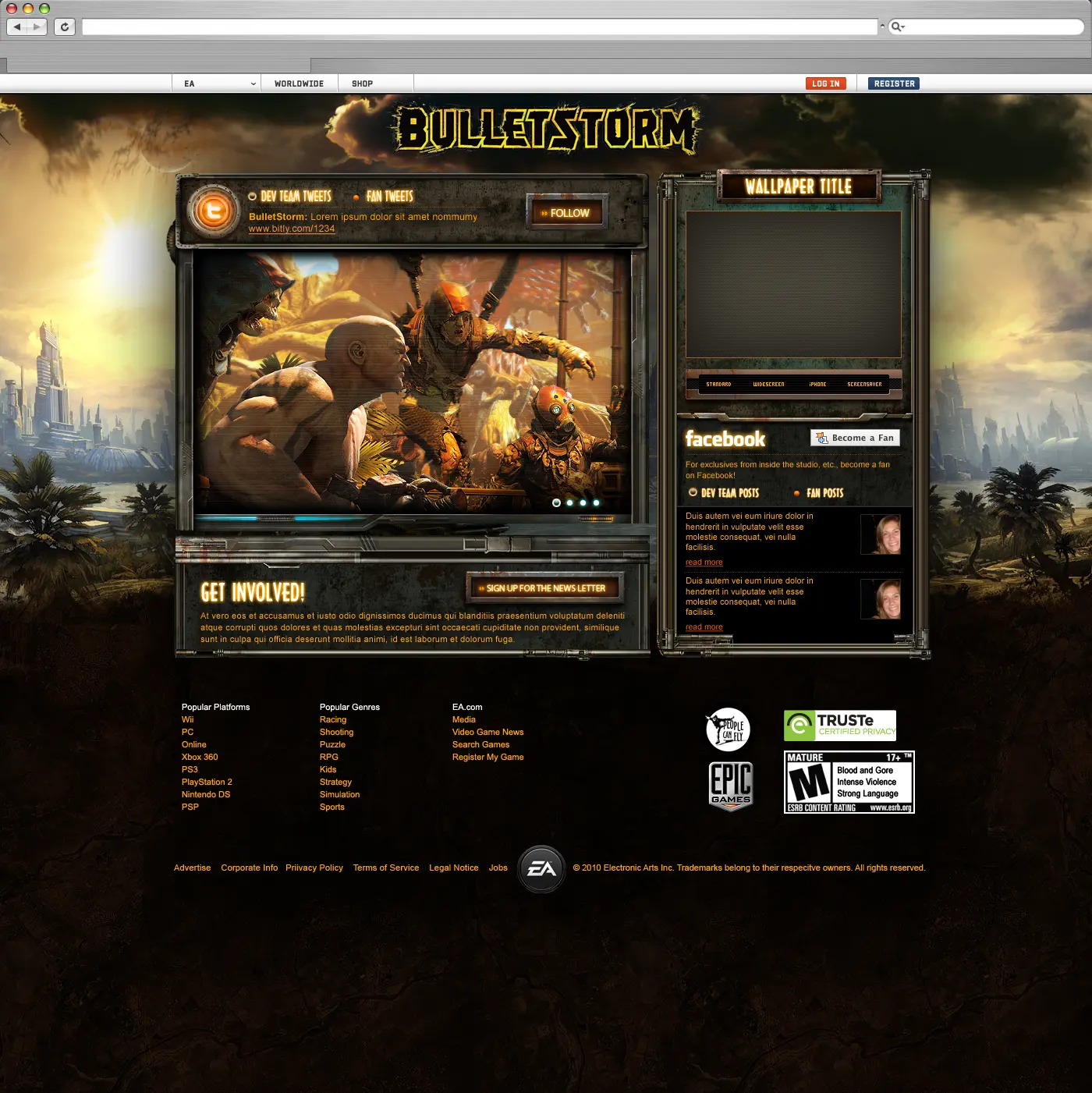
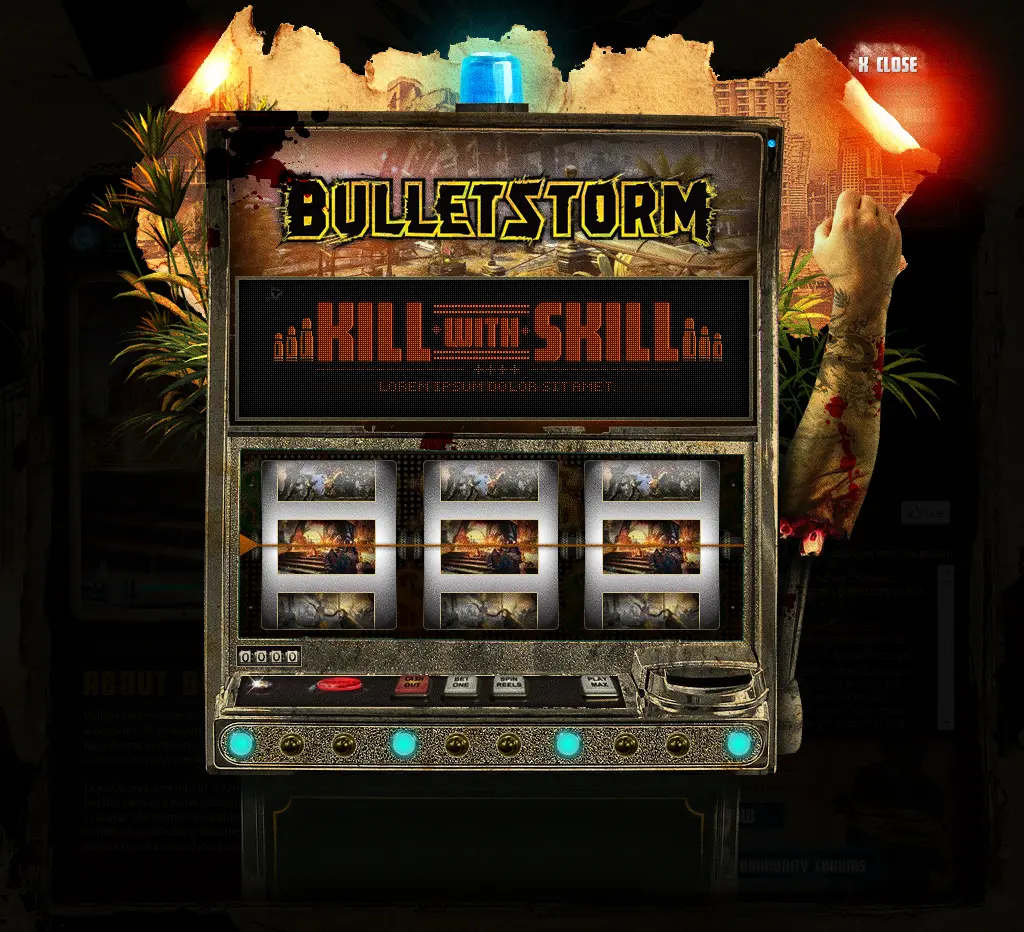
Bulletstorm's hook was its Skillshot system, points for creative kills, not just successful ones. The campaign had to communicate that the violence was the game mechanic, and the game mechanic was the joke.
Wonderland
as nightmare.
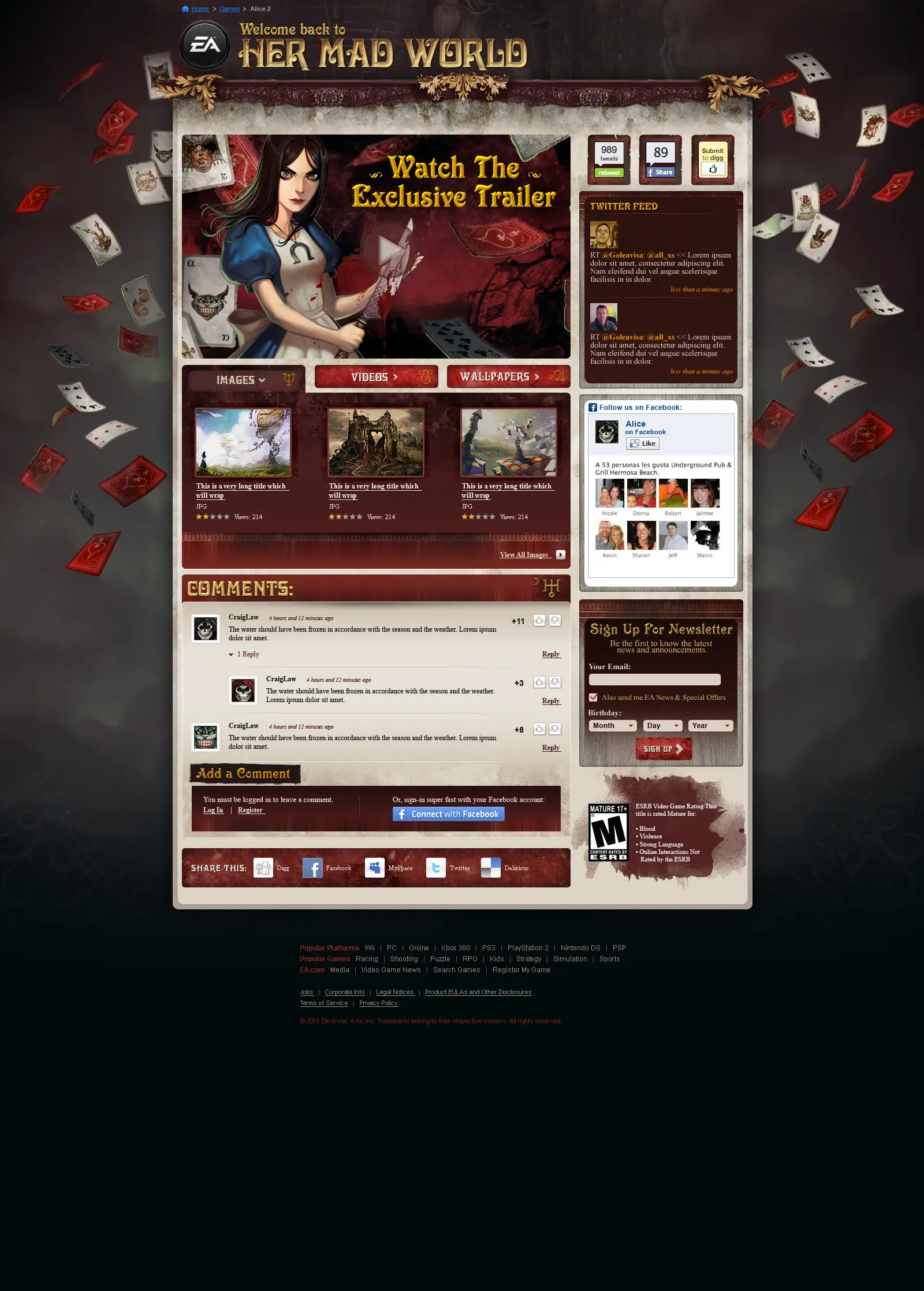
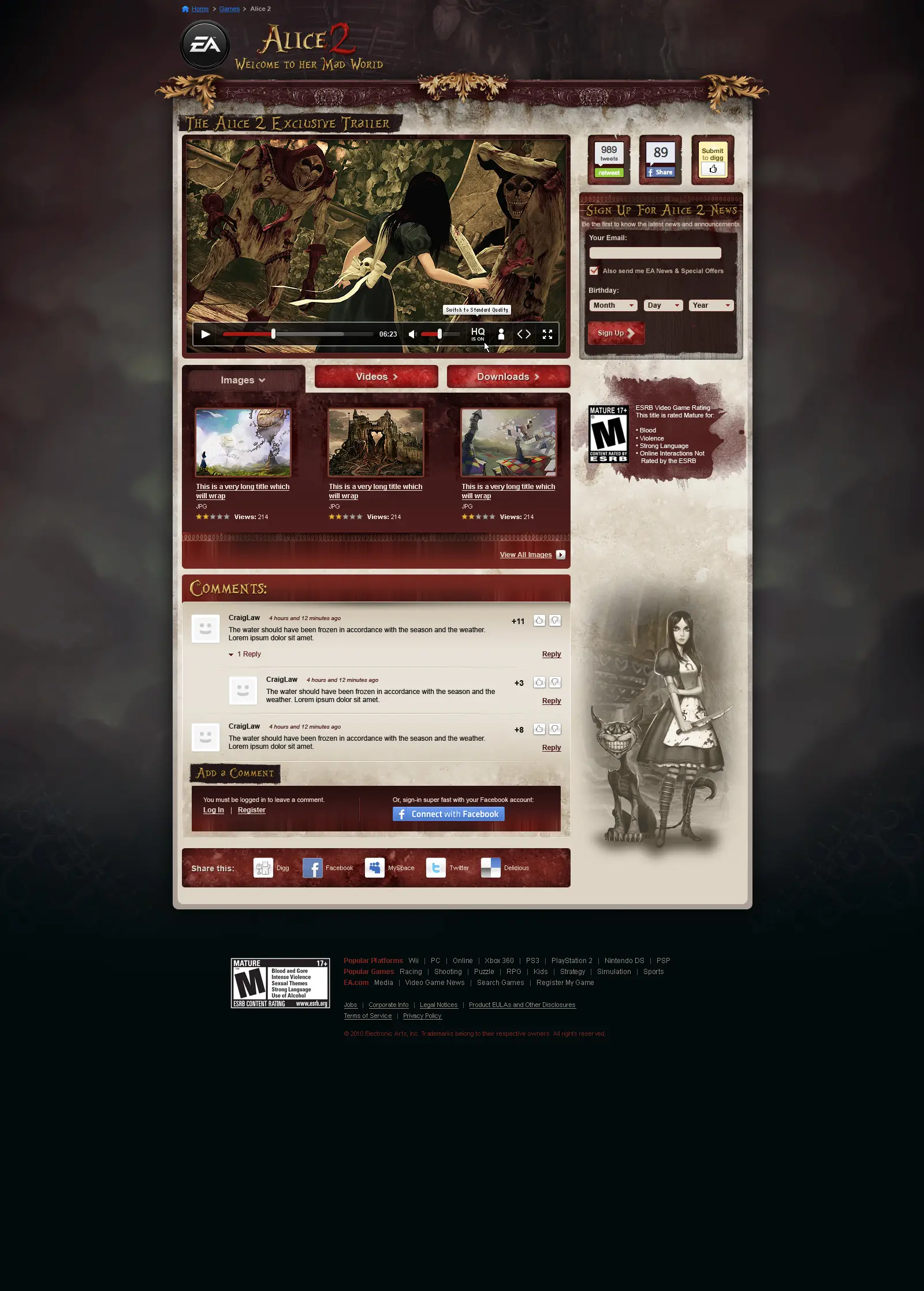
American McGee's Alice sequel returned to a fractured, weaponized Victorian nightmare, Wonderland as a survival environment. The campaign had to communicate a world that was simultaneously familiar and deeply wrong.
Mythology
for a new generation.
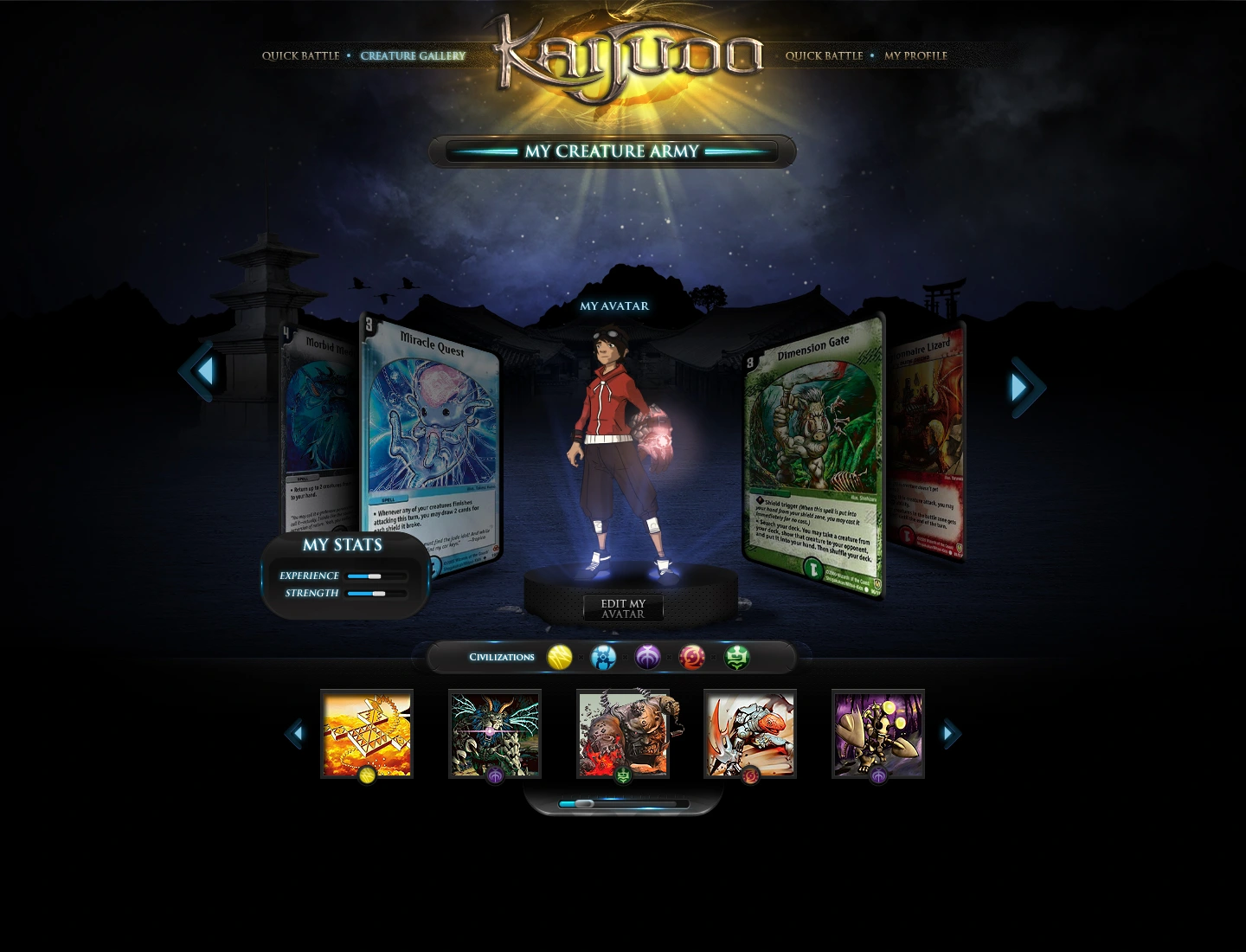
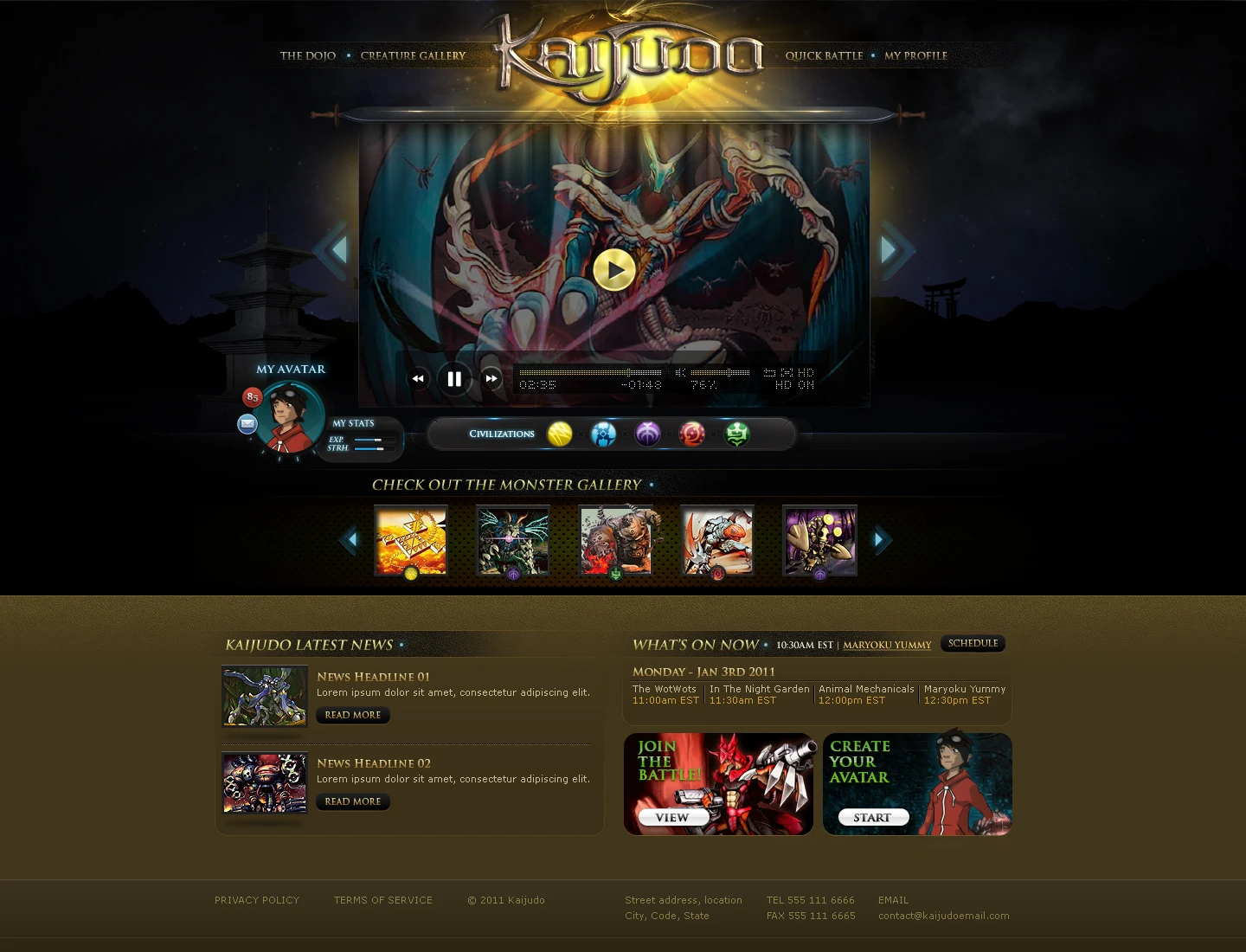
Kaijudo was Wizards of the Coast's relaunch of the Duel Masters trading card game for an American audience. The campaign had to establish a mythology from scratch for an audience that had no prior investment in the IP.
JRPG legacy,
Western market.
Square Enix's catalog, Final Fantasy, Kingdom Hearts, Dragon Quest, carries a decades-deep audience that knows every pixel. Campaign work for Square Enix titles required reverence for the legacy and sharpness about what each new entry added.
per title
Gaming audiences
know lazy creative.
Don't make it.
Gaming literacy
sharpens every brief.
Working across the gaming industry, where the audience is simultaneously the most passionate and the most critical, develops a discipline around earning audiences rather than just reaching them. We carry it into every campaign we touch.
is the one where the audience
already knows more than you.
Gaming taught us that campaign creative either belongs in the world it's selling or it gets ignored. The fan who's been waiting two years for a sequel is not interested in safe creative. You earn them with specificity or you lose them with genericism.
That instinct, specificity over reach, carries into every brand, every campaign, every audience we work with.